The 47
FIREMAN HARRY E. FLYNN - LADDER 7
FIREMAN FRANCIS R. TWOMEY - ENGINE 55
FIREMAN FRANCIS R. TWOMEY - ENGINE 55

September 13, 1917
Camp Upton, Yaphank, Long Island;
U.S. Army
While assigned to the Military Service Squad, Fireman Harry E. Flynn became sick with influenza while being stationed at Camp Upton, Yaphank, Long Island. The flu epidemic of 1917-1918 cost fifteen to twenty-one million deaths worldwide and over twelve thousand New Yorkers each of those years.
FIREMAN FRANCIS R. TWOMEY - ENGINE 55
FIREMAN FRANCIS R. TWOMEY - ENGINE 55
FIREMAN FRANCIS R. TWOMEY - ENGINE 55
March 16, 1918
Camp Upton, Yaphank, Long Island;
U.S. Army
While assigned to the Military Service Squad, Fireman Francis R. Twomey became sick with influenza while being stationed at Camp Upton, Yaphank, Long Island. Fireman Twomey was a Sergeant in the 308th Infantry at the time of his death.
FIREMAN HENRY OLTMANN - LADDER 28
FIREMAN FRANCIS R. TWOMEY - ENGINE 55
FIREMAN HENRY J. HELMKEN - LADDER 123
August 8, 1918
Camp Meade, Maryland;
U.S. Army
While assigned to the Military Service Squad, Firemen Henry Oltmann became sick with influenza while being stationed at Camp Meade, Maryland. Fireman Oltmann was a Private in the 5th Company, 2nd Battalion, 154th Depot Brigade when he died.
FIREMAN HENRY J. HELMKEN - LADDER 123
FIREMAN CHARLES J. JOHNSON - ENGINE 58
FIREMAN HENRY J. HELMKEN - LADDER 123
October 13, 1918
Camp Mills, New York;
U.S. Army
While assigned to the Military Service Squad, Fireman Henry J. Helmken became sick with influenza while being stationed at Camp Mills, New York. He was a Private with the Quartermaster Department and served in the Guard and Fire Company at Camp Mills.
FIREMAN CHARLES J. JOHNSON - ENGINE 58
FIREMAN CHARLES J. JOHNSON - ENGINE 58
FIREMAN CHARLES J. JOHNSON - ENGINE 58
October 13, 1918
France;
U.S. Army
Fireman Charles J. Johnson of Engine 58 was killed in action as a Sergeant in the 306th Infantry while serving with the American Forces in France during World War I.
FIREMAN JOHN J. KELLY, JR. - LADDER 1
FIREMAN CHARLES J. JOHNSON - ENGINE 58
FIREMAN CHARLES J. JOHNSON - ENGINE 58
October 18, 1918
Camp Merritt, New Jersey;
U.S. Army
While assigned to the Military Service Squad, Fireman John J. Kelly, Jr. became sick with influenza while being stationed at Camp Merritt, New Jersey. Fireman Kelly was a Sergeant in the Guard and Fire Company of the U.S. Army Quartermaster Department.
FIREMAN BENJAMIN H. FAY - LADDER 102
FIREMAN PETER J. DANNHARDT - ENGINE 15
FIREMAN BENJAMIN H. FAY - LADDER 102
November 2, 1918
France;
U.S. Army
Fireman Benjamin H. Fay while serving in France with the 106th Infantry of the United States Army was killed in action. He was a Private in a machine gun company. He is buried in the Somme Military Cemetery in France.
FIREMAN FRED FEMPEL - ENGINE 257
FIREMAN PETER J. DANNHARDT - ENGINE 15
FIREMAN BENJAMIN H. FAY - LADDER 102
January 25, 1919
Germany;
U.S. Army
Fireman Fred Fempel of Engine 257 was accidentally shot and killed while serving in the United States Army in Germany after the Great War. He was a Private in Company C, 30th Infantry of the U. S. Army.
FIREMAN PETER J. DANNHARDT - ENGINE 15
FIREMAN PETER J. DANNHARDT - ENGINE 15
FIREMAN PETER J. DANNHARDT - ENGINE 15

July 4, 1943
Pacific Ocean off the Coast of California;
U.S. Navy Reserve
Fireman Peter J. Dannhardt of Engine 15 was a Lieutenant in the U. S. Naval Reserve and was a navigator aboard a four-engine submarine patrol bomber. While on patrol off the coast of California, his patrol plane disappeared in the ocean and was presumed lost. It was last sighted off Santa Barbara. The plane had taken off from Selindas Field, California. Fireman Dannhardt joined the Fire Department on June 1, 1938 and the Navy on September 21, 1942.
FIREMAN ROBERT G. GATES - ENGINE 253
INSPECTOR CHARLES E. JOHNSON – DIVISION OF COMBUSTIBLES
FIREMAN PETER J. DANNHARDT - ENGINE 15

August 10, 1943
Mediterranean Sea;
U.S. Navy Reserve
Fireman Robert G. Gates of Engine 253 was killed in the Mediterranean Sea when his ship the USS Brant was hit by friendly fire from the USS Benson. Fireman Gates died as a result of burns and multiple injuries. He joined the Navy on November 7, 1942. He was born in Providence, Rhode Island on September 24, 1917 and on July 1, 1942 he was appointed to the Fire Department and assigned to Engine 253. He was not married.
INSPECTOR CHARLES E. JOHNSON – DIVISION OF COMBUSTIBLES
INSPECTOR CHARLES E. JOHNSON – DIVISION OF COMBUSTIBLES
INSPECTOR CHARLES E. JOHNSON – DIVISION OF COMBUSTIBLES

July 1, 1943
U.S. Navy
Inspector Charles E. Johnson, a civilian employee of the Department, was an instructor at the Fire College teaching Chemical Warfare. He entered the United States Navy and was commissioned as a Lieutenant. He was in charge of the demonstration and proper use of handling incendiary bombs at LaGuardia Airport and Randall’s Island. He died of natural causes on July 1, 1943 while serving his country. His name appears on the Memorial Wall at Headquarters.
FIREMAN JAMES A. DINGEE - ENGINE 282
INSPECTOR CHARLES E. JOHNSON – DIVISION OF COMBUSTIBLES
INSPECTOR CHARLES E. JOHNSON – DIVISION OF COMBUSTIBLES

August 23, 1943
Salerno, Italy;
U.S. Navy
Fireman James A. Dingee of Engine 282 joined the Navy on January 1, 1943. At the time of his death he was working as a fire fighter. The Naval report on his death reads, “This man was standing on a quay in the harbor of Palermo, Sicily fighting a fire that was started on a submarine chaser by a bomb that was dropped during an air raid. There was a terrific explosion of undetermined origin directly in front of the fire fighter. Death was probably instantaneous.” He had been appointed to the Fire Department on March 1, 1937 and assigned to Engine 282. Fireman Dingee was a Navy F/F Specialist First Class.
The 47
INSPECTOR MICHAEL KRISTAL – DIVISION OF COMBUSTIBLES
INSPECTOR MICHAEL KRISTAL – DIVISION OF COMBUSTIBLES
INSPECTOR MICHAEL KRISTAL – DIVISION OF COMBUSTIBLES
August 30, 1944
France;
U.S. Army
Michael Kristal, a civilian inspector in the Division of Combustibles, entered the U. S. Army on April 2, 1941. He was reported killed in action while serving in France on August 30, 1944. His name appears on the Memorial Wall at Headquarters.
FIREMAN ROBERT W. JOHNSTON - ENGINE 293
INSPECTOR MICHAEL KRISTAL – DIVISION OF COMBUSTIBLES
INSPECTOR MICHAEL KRISTAL – DIVISION OF COMBUSTIBLES
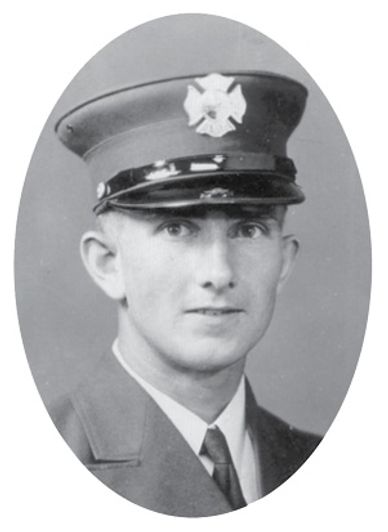
December 31, 1943
San Marco, Texas;
U.S. Army
Fireman Robert W. Johnston of Engine 293, a member of the United States Army Air Force, died on the operating table in a hospital in San Marco Texas from acute appendicitis. He entered the Fire Department on April 1, 1939 and the Army on January 29, 1943. He was twenty-seven years old and married.
FIREMAN JOSEPH O’FLAHERTY - LADDER 105
INSPECTOR MICHAEL KRISTAL – DIVISION OF COMBUSTIBLES
FIREMAN EDWARD JAMES NELSON - LADDER 30
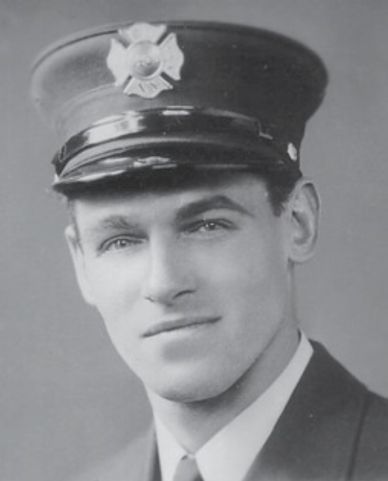
March 4, 1944
Naples, Florida;
U.S. Army Air Corps
Fireman Joseph O’Flaherty of Ladder 105 was killed while serving with the U. S. Army Air Corps stationed at Naples, Florida. He was a Lieutenant and a pilot flying AT-6 advance trainers at a submarine base outside of Naples. He was acting as a bombardier in the rear seat position of the AT-6. The plane was practicing attack missions on ground troops in a bivouac area. On the attempted third dive after the first two were successful, the pilot lost control of the plane and it crashed. The plane burst into flames and both men were killed instantly.
FIREMAN EDWARD JAMES NELSON - LADDER 30
FIREMAN EDWARD JAMES NELSON - LADDER 30
FIREMAN EDWARD JAMES NELSON - LADDER 30
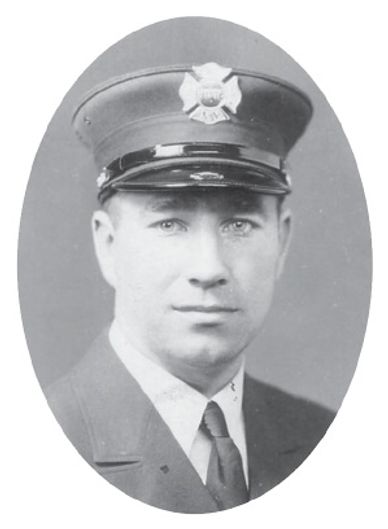
April 26, 1944
Near Danville, Virginia;
U.S. Navy Reserve
Fireman Edward James Nelson of Ladder 30 was killed in a plane crash while serving in the United States Navy. Lieutenant Nelson, an Air Cadet, was flying a Navy F-6-F Hellcat from Brooklyn to Lynchburg, Virginia. He was seen circling over the Danville Airport around 6:30 p.m. and then the plane crashed in a plowed field just outside of town a few minutes later. He was pulled from the burning wreckage by the farmer whose field he crashed in. He was badly burned and suffering many other injuries. He died shortly after arriving at the hospital. It was believed he became lost and ran out of gas. On May 7, 1942 he started training as a civilian pilot and was commissioned as a Lieutenant (JG) in the Navy on August 6, 1942 and went into the Military Service Division on October 1, 1942. He was born on March 6, 1914. He was appointed to Engine 52 on November 1, 1938 and later transferred to Ladder 30. On January 25, 1941, Fireman Nelson rescued a woman from a burning fourth floor apartment. He was lowered from the roof of the six-story tenement by a rope, swung into the window, lifted the 160-pound woman and was lowered to the street. He was awarded the Hugh Bonner Medal for this rescue. He was married and lived at 97 Carman Avenue in Woodside.
FIREMAN EMILE A. STEINER - ENGINE 36
FIREMAN EDWARD JAMES NELSON - LADDER 30
FIREMAN BERNARD P. McGREAVY - LADDER 16
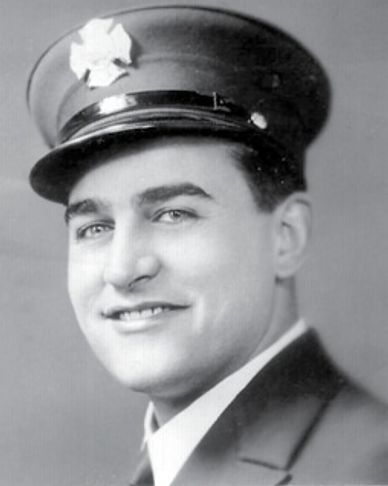
May 22, 1944
Italy;
U.S. Army
Fireman Emile A. Steiner of Engine 36 entered the Army on June 13, 1942. A Staff Sergeant, he was killed while fighting in Italy. He was born on May 3, 1916 in Switzerland and appointed to the Fire Department on July 1, 1941. He was married and the father of a young child.
FIREMAN BERNARD P. McGREAVY - LADDER 16
FIREMAN EDWARD JAMES NELSON - LADDER 30
FIREMAN BERNARD P. McGREAVY - LADDER 16
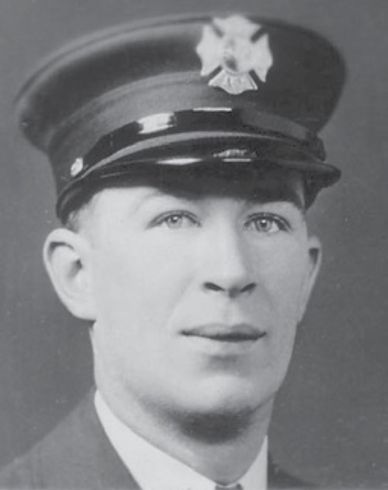
June 15, 1944
Saipan;
U.S. Marine Corps
Fireman Bernard P. McGreavy of Ladder 16, a Lieutenant in the Marines, was killed while fighting on Saipan. He landed with the Second Marine Division on Red Sand Beach #2. Fireman McGreavy became a fireman on November 1, 1938 after changing his mind about being a priest. He entered Officers’ Cadet School at Quantico, Virginia on November 17, 1942.
FIREMAN HOWARD V. COLBERT - ENGINE 292
FIREMAN GEORGE H. CRIDLAND - MILITARY SERVICE SQUAD
FIREMAN EUGENE F. STEFFENS - LADDER 122
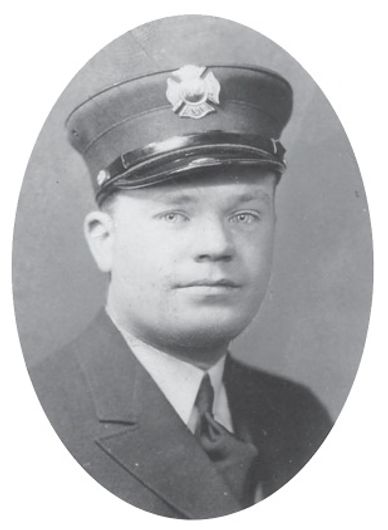
July 9, 1944
Saipan;
U.S. Army
Fireman Howard V. Colbert of Engine 292 was killed on Saipan while serving as a Sergeant with Company H, 105th Infantry. He entered the Department on July 1, 1937 and the Army on January 23, 1941. He was single and lived with his parents in the Bronx.
FIREMAN EUGENE F. STEFFENS - LADDER 122
FIREMAN GEORGE H. CRIDLAND - MILITARY SERVICE SQUAD
FIREMAN EUGENE F. STEFFENS - LADDER 122
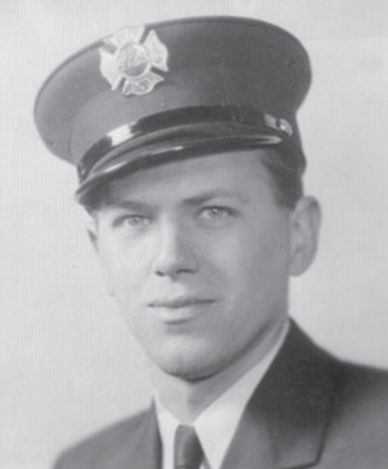
August 5, 1944
Over Germany;
U.S. Army Air Corps
Fireman Eugene F. Steffens died while serving as the co-pilot aboard a B-17G aircraft. He had taken off from Lavenham Airfield in Suffolk, England on August 5, 1944. The target for the day was Magdeburg, Germany. The aircraft was hit by a direct burst of flak in the right wing and the bomb bay. Part of the wing came off and the aircraft exploded, all in a matter of seconds. The plane crashed at Lostau, thirteen kilometers south-southwest of Burg near Magdeburg. The pilot and one of the waist gunners were the only ones to survive the explosion. Fireman Steffens was buried at a cemetery in Lostau and re-interned in Ardennes, France.
FIREMAN GEORGE H. CRIDLAND - MILITARY SERVICE SQUAD
FIREMAN GEORGE H. CRIDLAND - MILITARY SERVICE SQUAD
FIREMAN GEORGE H. CRIDLAND - MILITARY SERVICE SQUAD
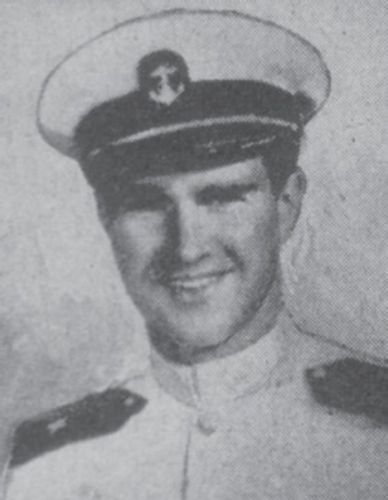
September 5, 1944
Jacksonville, Florida;
U.S. Navy Reserve
Fireman George H. Cridland was an Ensign in the Naval Reserve based at Cecil Field in Jacksonville, Florida. He died in an airplane crash eight miles southwest of Cecil Field in the village of Highland. The crash happened at 11:22 in the morning and he was killed instantly. His injuries consisted of a compressed fracture of the skull, multiple fractures of the humerus, femur, pelvis and vertebra. He was twenty-three years old at the time of the accident and assigned to the Military Service Squad. He had entered the Navy while waiting for the Fire Department to call him. The Navy was flying Grumman TBF Avengers torpedo bombers and Douglas SBD Dauntless dive bombers out of Cecil Field at the time of the accident.
FIREMAN JOHN J. SHEEHY - MILITARY SERVICE SQUAD
FIREMAN JAMES J. HUGHES - MILITARY SERVICE SQUAD
FIREMAN GEORGE H. CRIDLAND - MILITARY SERVICE SQUAD
November 1, 1944
Boston, Massachusetts;
U.S. Navy Reserve
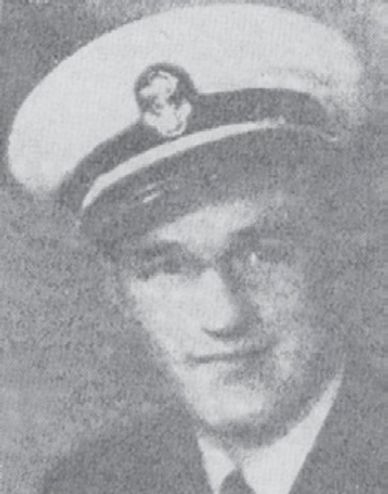
Fireman John J. Sheehy of the Military Service Squad was killed when he crash-landed his F-6-F Hellcat fighter plane into a river. He had just taken off from Squantum Naval Air Station (now Weymouth Naval Air Station) with five other Hellcat fighters. He reported engine trouble very shortly after taking off. Instead of bailing out of the plane and letting it crash in a heavily populated area, he crash-landed into the Neponset River in the Mattapan section of Boston. In his last message to the control tower, Fireman Sheehy calmly related that he would try to save the plane and himself by landing on a pond. He hit several treetops, ripping both wings off the plane before it exploded in flames.
FIREMAN EUGENE J. STUDER - ENGINE 81
FIREMAN JAMES J. HUGHES - MILITARY SERVICE SQUAD
FIREMAN JAMES J. HUGHES - MILITARY SERVICE SQUAD
November 2, 1944
Italy;
U.S. Army
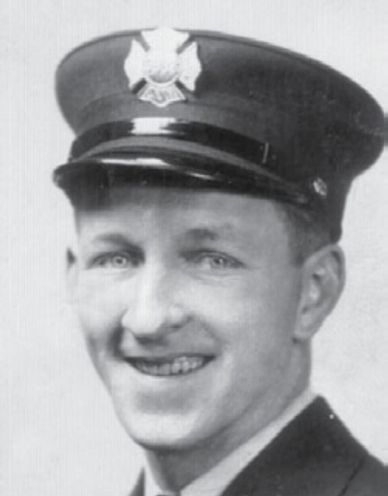
Fireman Eugene J. Studer of Engine 81 was killed while fighting with the United States Army in Italy during World War II. Born on March 22, 1915, he was appointed to the Fire Department on September 16, 1942. He joined the Army and was assigned to the Military Service Squad on January 28, 1944.
FIREMAN JAMES J. HUGHES - MILITARY SERVICE SQUAD
FIREMAN JAMES J. HUGHES - MILITARY SERVICE SQUAD
FIREMAN JAMES J. HUGHES - MILITARY SERVICE SQUAD
November 19, 1944
Germany;
U.S. Army
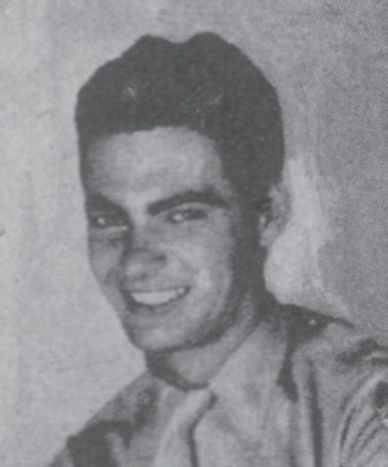
Fireman Hughes was killed while serving in the U.S. Army during World War II. No specific information on his death could be found.
The 47
FIREMAN ROBERT C. PETTIT, JR. - ENGINE 303
FIREMAN JOHN J. RUSSELL - MILITARY SERVICE SQUAD
FIREMAN ROBERT C. PETTIT, JR. - ENGINE 303
December 15, 1944
Taiwan;
U.S. Army
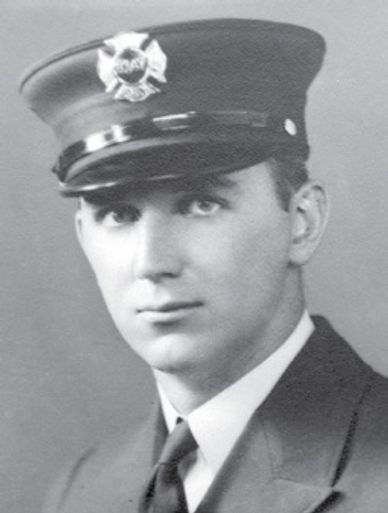
Fireman Robert C. Pettit, Jr. of Engine 303 died near Taiwan aboard a Japanese prisoner of war ship when Allied airplanes attacked it. Fireman Pettit was a Captain in the National Guard. He was called to active duty in February 1941 and set sail for the Philippines. He was in many battles against the Japanese as a tank commander. His leg was badly wounded in a rear-guard action. He survived the Batan Death March and was imprisoned at the dreaded Cabanatuan Prison Camp. As General MacArthur was landing on Luzon, Pettit and some 1,600 POW’s were loaded aboard the Oryoko Maru on December 13, 1944. The ship was attacked and badly damaged on December 15 and sank within 500 feet of shore. Wounded in the air attack, Pettit swam back to shore and was placed aboard the Brazil Maru and taken to Taiwan. There he changed ships on January 6. American planes attacked the ship on January 9 and inflected heavy damage to the forward part of the ship where Pettit was held. Over 150 men including Pettit were killed in this attack. A work detail from the ship of twenty men went ashore on January 12 and cremated all the dead POWs. Fireman Pettit received the Silver Star with Oak Leaf Cluster for his rear-guard actions and was written up in the April 1942 issue of WNYF. The exact date of his death is not known, but the Fire Department recognizes it as December 15. He joined the Department with his brother on December 17, 1937 and was assigned to Engine 303.
FIREMAN VINCENT A. T. SCHMITT - ENGINE 292
FIREMAN JOHN J. RUSSELL - MILITARY SERVICE SQUAD
FIREMAN ROBERT C. PETTIT, JR. - ENGINE 303
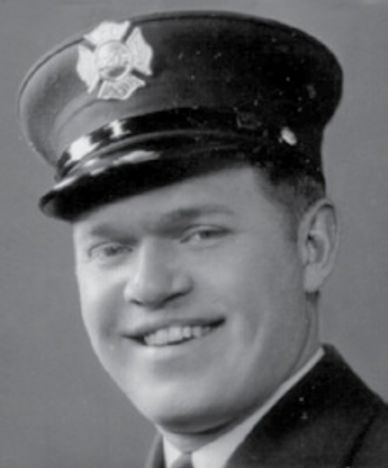
January 6, 1945
Belgium;
U.S. Army
Fireman Vincent A. T. Schmitt, a Private in the Army, on leave from the Fire Department and Engine 292, was killed in action in Belgium on January 6. Private Schmitt, who was thirty-two years old, joined the Department in 1939 and lived in Queens Village.
FIREMAN JOHN J. RUSSELL - MILITARY SERVICE SQUAD
FIREMAN JOHN J. RUSSELL - MILITARY SERVICE SQUAD
FIREMAN JOHN J. RUSSELL - MILITARY SERVICE SQUAD
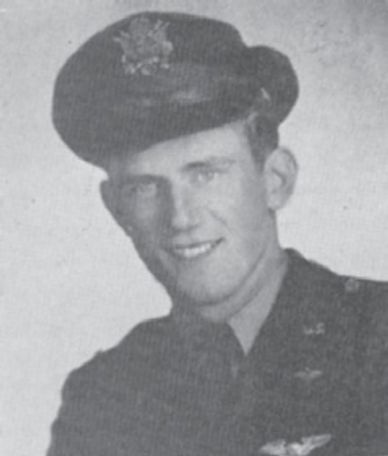
January 15, 1945
Germany;
U.S. Army Air Corps
Fireman John J. Russell was a navigator of a B-17G Flying Fortress enroute to Brandenburg Germany on a bombing mission. A burst of flak hit the aircraft. The explosion of the shell tore the outer panel of the wing next to the outboard engine nacelle. The aircraft rose slightly following the hit and then veered to the right in an almost vertical bank and then went into a spiral, which later developed into a steeper spin. The aircraft crashed and immediately exploded. At no time was the aircraft on fire in its spiral to the ground. Only one member of the crew was able to bail out with Russell The rest of the crew was killed upon impact.
FIREMAN HERMAN STANTON - MILITARY SERVICE SQUAD
FIREMAN JAMES J. FARRELL II - ENGINE 66 (FIREBOAT GEORGE B. McCLELLAN)
FIREMAN JOHN J. RUSSELL - MILITARY SERVICE SQUAD
February 8, 1945
Germany;
U.S. Army
Fireman Herman Stanton was in the Army when he was called for the Fire Department and assigned to the Military Service Squad. He was assigned to the 310 Infantry Regiment, 78th Infantry Division in the U.S. Army. He was killed in Schmidt, Germany but the cause of death is unknown.
FIREMAN GEORGE NIGRO - ENGINE 229
FIREMAN JAMES J. FARRELL II - ENGINE 66 (FIREBOAT GEORGE B. McCLELLAN)
FIREMAN JAMES J. FARRELL II - ENGINE 66 (FIREBOAT GEORGE B. McCLELLAN)
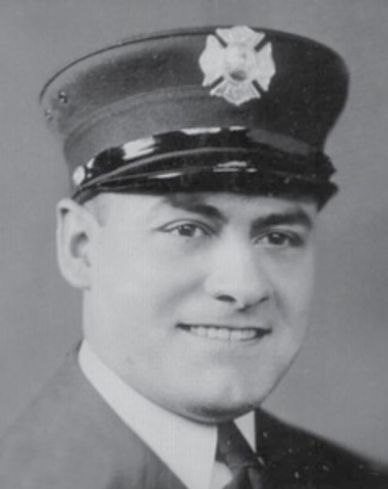
February 13, 1945
Germany;
U.S. Army
Fireman George Nigro was killed in action on February 13, in Germany, where he was a Staff Sergeant with the Eleventh Infantry. Fireman Nigro, who was a member of Engine Company 229, joined the Department on November 1, 1938. He entered military service on February 21, 1944. He was first reported Missing-in-Action and then listed as Killed-in-Action. He lived with his mother at 90-01 221st Place, Queens Village.
FIREMAN JAMES J. FARRELL II - ENGINE 66 (FIREBOAT GEORGE B. McCLELLAN)
FIREMAN JAMES J. FARRELL II - ENGINE 66 (FIREBOAT GEORGE B. McCLELLAN)
FIREMAN JAMES J. FARRELL II - ENGINE 66 (FIREBOAT GEORGE B. McCLELLAN)
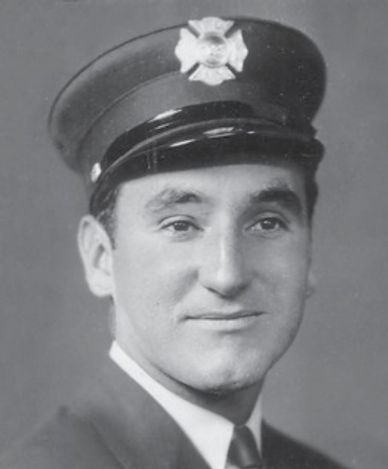
February 19, 1945
Tucson, Arizona;
U.S. Army Air Corps
Fireman James J. Farrell II of Engine 66 (fireboat George B. McClellan) was killed along with another flier on a training flight. They were based at Marana Army Airfield, north of Tucson, Arizona. Both men were killed instantly when their training aircraft hit a mountain. After completing the course, they were to be appointed flight officers in the Air Transport Command.
FIREMAN GEORGE B. WEILL - LADDER 23
FIREMAN JAMES R. HICKEY - MILITARY SERVICE SQUAD
FIREMAN THOMAS F. SHORTELL - LADDER 157
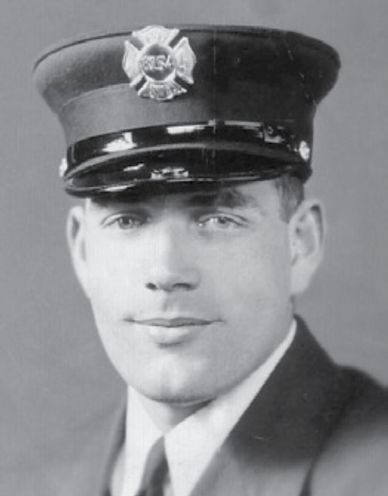
February 22, 1945
Iwo Jima, Japan;
U.S. Army
Fireman George B. Weill of Ladder 23 joined the U. S. Army on August 13, 1942. He was a Lieutenant and assigned to the 473rd Amphibious Truck Company and was listed as Missing in Action on Iwo Jima. His cause of death is unknown. He was awarded a Silver Star and a Purple Heart.
FIREMAN THOMAS F. SHORTELL - LADDER 157
FIREMAN JAMES R. HICKEY - MILITARY SERVICE SQUAD
FIREMAN THOMAS F. SHORTELL - LADDER 157
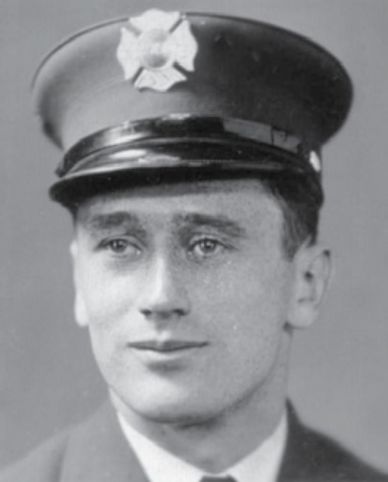
March 8, 1945
Iwo Jima, Japan;
U.S. Marine Corps
Fireman Thomas F. Shortell of Ladder 157 was killed in action while serving as a Marine on Iwo Jima on March 8. Fireman Shortell was thirty-one years old and lived at 2707 Newkirk Avenue with his wife and four children.
FIREMAN JAMES R. HICKEY - MILITARY SERVICE SQUAD
FIREMAN JAMES R. HICKEY - MILITARY SERVICE SQUAD
FIREMAN JAMES R. HICKEY - MILITARY SERVICE SQUAD
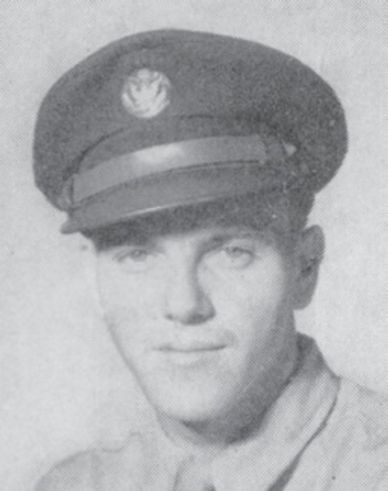
April 5, 1945
Holland;
U.S. Army Air Corps
Fireman James R. Hickey was an engineer/top turret gunner on a B-24 bomber. His plane was hit by flak and crashed on the Isle of Schouwen off the coast of Holland.
FIREMAN STEPHEN J. MARANGAS - ENGINE 62
FIREMAN STEPHEN J. MARANGAS - ENGINE 62
FIREMAN JAMES R. HICKEY - MILITARY SERVICE SQUAD
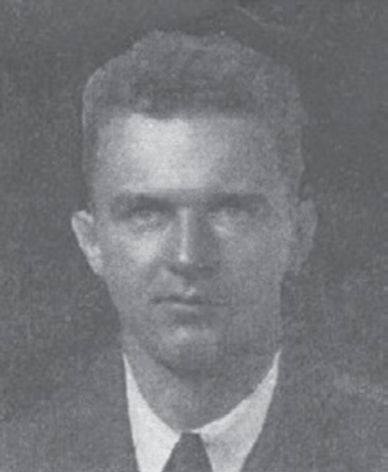
April 20, 1945
Over Norway;
U.S. Army Air Corps
Fireman Stephen J. Marangas, a Navigator on a B-24 bomber, operating over Norway was delivering supplies to the Norwegian underground. The plane was hit by enemy fire and losing altitude. The plane would not make the trip back to its base in England and It was decided to bail out over Larvik, Norway instead of ditching at sea. Fireman Marangas was preparing to bail out and found his parachute was missing. He jumped with another member of the plane holding on to his back. When the ripcord of the parachute was pulled, Fireman Marangas lost his grip and fell to his death. He was the only member of the crew to lose his life.
FIREMAN HAROLD F. HOLSTEN - ENGINE 19
FIREMAN STEPHEN J. MARANGAS - ENGINE 62
FIREMAN HAROLD F. HOLSTEN - ENGINE 19
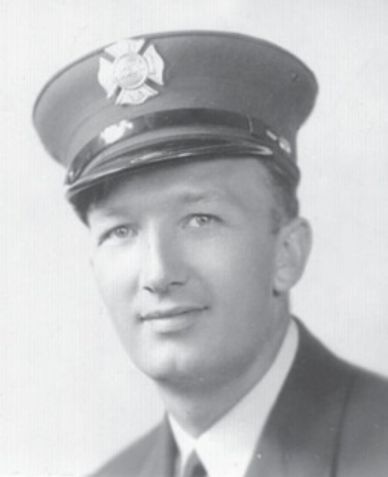
May 12, 1945
Okinawa;
U.S. Marine Corps
Fireman Harold F. Holsten of Engine 19 was machine-gunned across the chest while serving with the Marines on Okinawa. He was a member of the First Marine Division.
FIREMAN JOHN R. SHERIDAN - ENGINE 89
FIREMAN STEPHEN J. MARANGAS - ENGINE 62
FIREMAN HAROLD F. HOLSTEN - ENGINE 19
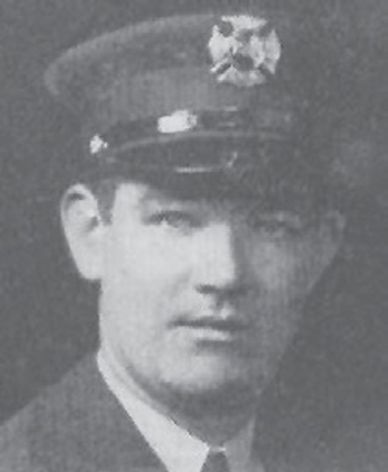
May 14, 1945
U.S. Navy Reserve
Fireman John R. Sheridan of Engine 89 joined the United States Naval Reserves on April 13, 1944. Seaman Second Class Sheridan was accidentally shot in the chest and spine by friendly fire. He was born on April 16, 1912, joined the Fire Department on December 14, 1938 and assigned to Engine 89 on June 1, 1942.
The 47
FIREMAN HENRY B. INNES - LADDER 33
FIREMAN THOMAS F. TAYLOR - LADDER 131
FIREMAN THOMAS F. TAYLOR - LADDER 131
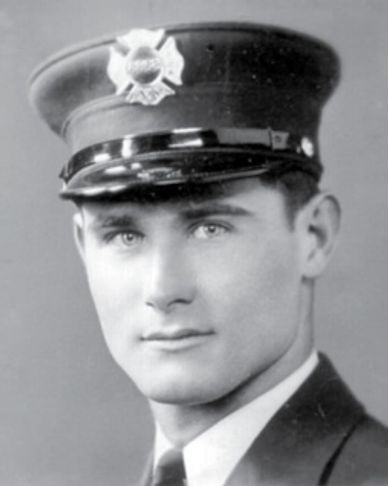
May 18, 1945
Okinawa;
U.S. Marine Corps
Fireman Henry B. Innes was a member of the Fire Department from January 1, 1938 until joining the Marines on September 1, 1943. Assigned to Ladder 33 on February 12, 1943, he was born on April 16, 1915. Fireman Innes was killed on the Island of Okinawa while serving with the United States Marines. He received gunshot wounds to the head.
FIREMAN THOMAS F. TAYLOR - LADDER 131
FIREMAN THOMAS F. TAYLOR - LADDER 131
FIREMAN THOMAS F. TAYLOR - LADDER 131
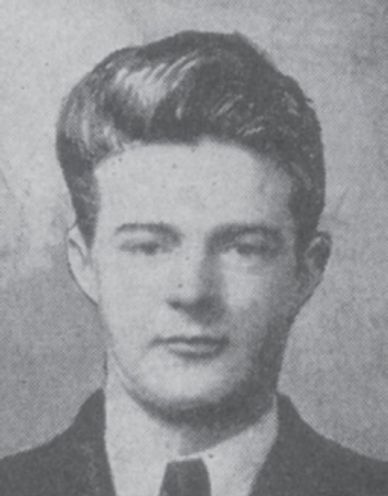
Injured May 28, 1945 - Died June 3, 1945
Montgomery, Alabama;
U.S. Army Air Corps
Fireman Thomas F. Taylor of Ladder 131 died in an airplane crash in Montgomery, Alabama. He was serving in the Army and was stationed at Napier Field in Dothan, Alabama. The plane, a C-46 transport, was carrying part of the field’s baseball team playing in Montgomery. The plane was cleared to land at Gunter Field, did a ground loop and caught fire, severely burning everybody on board. One person died in the crash and five more died the following week.
FIREMAN CHARLES A. HICKEY - LADDER 37
FIREMAN THOMAS F. TAYLOR - LADDER 131
FIREMAN GEORGE M. WILLIAMS - LADDER 49
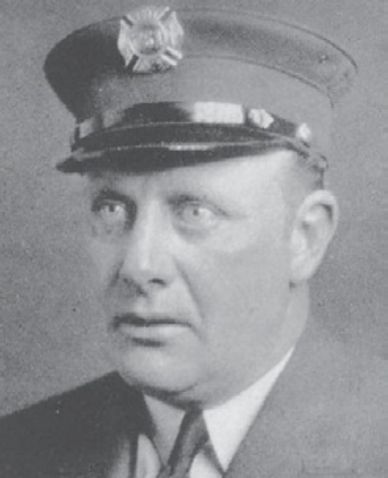
September 22, 1945
Japan; U.S. Navy Reserve
Fireman Charles A. Hickey of the Naval Reserve was killed in a plane crash over Japan on September 22, 1945. Fireman Hickey, who was a Lieutenant in the Navy, lived at 2860 Decatur Avenue. He was an overseas Army veteran of the First World War. He joined the Fire Department in 1925 and was awarded the M. J. Delehanty Medal in 1936 for rescuing a child from a blazing tenement. In World War II, Lieutenant Hickey was awarded the Navy Legion of Merit Medal for “keeping afloat and making possible the salvage of valuable equipment in three vessels seriously damaged by fire by enemy action.” He was buried in Yokohama, Japan. He left a widow and four daughters.
FIREMAN GEORGE M. WILLIAMS - LADDER 49
FIREMAN FRANK J. MOLINARI - MILTARY SERVICE SQUAD
FIREMAN GEORGE M. WILLIAMS - LADDER 49
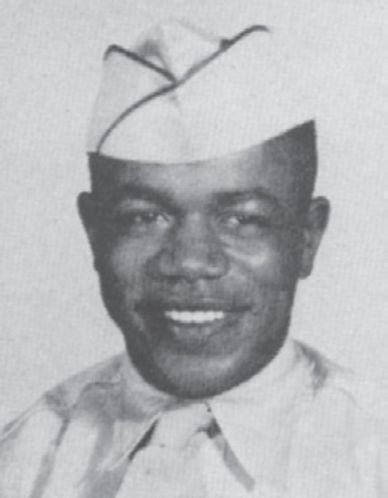
January 11, 1946
India;
U.S. Army
Fireman George M. Williams was assigned to Ladder 49, his only company, on December 16, 1942. He joined the military on January 8, 1944. He was born on August 14, 1920. He was killed in a motor vehicle accident while serving with the United States Army in India.
FIREMAN FRANK J. MOLINARI - MILTARY SERVICE SQUAD
FIREMAN FRANK J. MOLINARI - MILTARY SERVICE SQUAD
FIREMAN FRANK J. MOLINARI - MILTARY SERVICE SQUAD
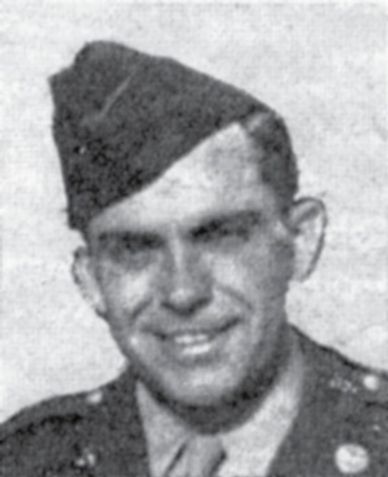
Missing in Action January 12, 1945 – Declared Dead January 13, 1946
Borneo;
U.S. Army Air Corps
Fireman Frank J. Molinari, was assigned to the Military Service Squad when his aircraft crashed in Borneo on January 12, 1945. He was captured by the Japanese along with two other fliers. They were beheaded near Samarinda, Borneo during February of 1945. Four Japanese Naval Officers were put on trial for war crimes in Manila on May 27, 1946 as a result. His body was not recovered and the War Department listed him presumed dead on January 13, 1946.
FIREMAN EDWIN J. HOVEY - ENGINE 37
FIREMAN FRANK J. MOLINARI - MILTARY SERVICE SQUAD
FIREMAN FRANK J. MOLINARI - MILTARY SERVICE SQUAD
February 19, 1945
Tucson, Arizona;
U.S. Army Air Corps
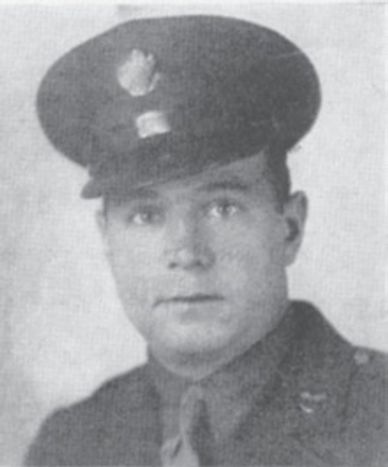
Missing in Action January 2, 1944 – Declared Dead January 16, 1946
Marshall Islands; U.S. Army Air Corps
Fireman Edwin J. Hovey of Engine 37 was a member of a B-24 bomber crew out of Tarawa. Twelve Japanese Zero airplanes jumped the formation on their return trip home. They shot 20mm cannon fire into the formation hitting Hovey’s plane. The exploding cannon fire hit the waist and tail gunners’ area probably killing them all. A fire started aboard the plane and was put out. The plane was last seen flying on three of the four engines and was presumed lost at sea. Fireman Hovey’s body was not recovered and the War Department listed him presumed dead on January 16, 1946.
FIREMAN JOHN W. LEARY - LADDER 122
FIREFIGHTER CHRISTIAN P. ENGLEDRUM – LADDER 61
FIREFIGHTER CHRISTIAN P. ENGLEDRUM – LADDER 61
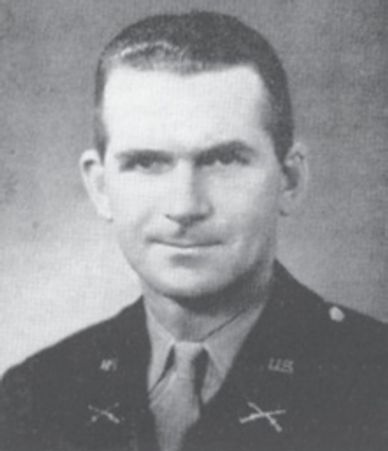
Missing in Action February 8, 1945 - Declared Dead February 9, 1946
Germany;
U.S. Army
Fireman John W. Leary of Ladder 122 was killed in Germany while leading a patrol. As an Army Lieutenant, he was crossing the Our River from Luxembourg into Germany to knock out two German bunkers. The first bunker destroyed, he was wounded in the second attack, with small arms fire to the chest. The Germans were reinforcing the bunker and the American’s position was being overrun. Leary stayed behind and gave covering fire so his men could escape. His body was not recovered and the War Department listed him presumed dead on February 9, 1946.
FIREFIGHTER CHRISTIAN P. ENGLEDRUM – LADDER 61
FIREFIGHTER CHRISTIAN P. ENGLEDRUM – LADDER 61
FIREFIGHTER CHRISTIAN P. ENGLEDRUM – LADDER 61
November 29, 2004
Baghdad, Iraq;
U.S. Army National Guard
Firefighter Christian P. Engledrum of Ladder 61 was killed while serving his country. A member of the FDNY for five years and a member of the Army National Guard Unit since 1986, he was serving in Baghdad, Iraq. He was in the passenger seat of a HMMWV that hit a mine in the roadway. The driver, Wilfredo Urbina, a volunteer firefighter in Baldwin, New York, was driving the HMMWV and was also killed. In the back were three other members of the Guard unit all of whom were injured. Among them was Firefighter Daniel Swift of Ladder 43. Firefighter Engledrum had served in Iraq during the first Gulf War in 1990. He left behind two sons and a wife expecting their third child.
LIEUTENANT CHRISTOPHER RAGUSO – ENGINE 302
FIREFIGHTER CHRISTIAN P. ENGLEDRUM – LADDER 61
FIRE MARSHAL CHRISTOPHER T. ZANETIS – BUREAU OF FIRE INVESTIGATION
March 15, 2018
Al-Qiam, Iraq
New York Air National Guard
Lieutenant Christopher Raguso and Fire Marshal Christopher “Tripp” Zanetis were both deployed to Iraq in the war against terrorism with the 106th Rescue Wing of the New York Air National Guard. The Pave Hawk helicopter they were in crashed, killing all seven on board. Lieutenant Raguso was on military leave, while Fire Marshal Zanetis had been on unpaid leave to pursue his law degree. Lieutenant Raguso was appointed as a Firefighter in March of 2005 and assigned to Ladder Company 113 in Flatbush, Brooklyn. In September, 2016, he was promoted to Lieutenant and assigned to Battalion 50 in Queens. On six different occasions he was cited for bravery and life-saving actions as an individual Firefighter or as part of a unit. Lieutenant Raguso and his wife had two young children ages three and seven. He was also a member, with the rank of Lieutenant, with the Commack Volunteer Fire Department.
FIRE MARSHAL CHRISTOPHER T. ZANETIS – BUREAU OF FIRE INVESTIGATION
FIRE MARSHAL CHRISTOPHER T. ZANETIS – BUREAU OF FIRE INVESTIGATION
FIRE MARSHAL CHRISTOPHER T. ZANETIS – BUREAU OF FIRE INVESTIGATION
March 15, 2018
Al-Qiam, Iraq
New York Air National Guard
Fire Marshal Zanetis was appointed as a Firefighter in September of 2004 and assigned to Engine Company 28 on the Lower East Side of Manhattan. In 2007 he transferred to Ladder Company 11. In April 2013, he was promoted to Fire Marshal and assigned to the Bureau of Fire Investigation’s Citywide South in Brooklyn. In 2014, he was recognized for his bravery as part of an investigative unit. Fire Marshal Zanetis was unmarried and was survived by his parents in Carmel, Indiana.
FIREFIGHTER CHRISTOPHER A. SLUTMAN – LADDER 27
FIRE MARSHAL CHRISTOPHER T. ZANETIS – BUREAU OF FIRE INVESTIGATION
FIREFIGHTER CHRISTOPHER A. SLUTMAN – LADDER 27
April 8, 2019
Kabul, Afghanistan
U.S. Marine Corps Reserve
Firefighter Christopher Slutman, Ladder 27, was the fourth member of the FDNY to make the Supreme Sacrifice while on Military Leave and serving in the War on Terrorism. Sergeant Slutman was serving with the U.S. Marine Corps at the U.S. military base north of Kabul when it was attacked by a bomb. Two other Marines died in the attack. Firefighter Slutman was appointed Firefighter in September of 2003 and assigned to Ladder Company 17 in the South Bronx. In 2015 he transferred to Ladder Company 27, located in the Claremont section of the Bronx. In 2014, he was honored for bravery after rescuing an unconscious woman at a fire in the South Bronx.